
 Pilot.co
Maya3-year degree in the UK, then a graduate job
Where it leads
The world needs pilots.
0k
New commercial pilots needed worldwide, 2025–2044
0k
Of them in the Middle East
Source: Boeing Pilot & Technician Outlook 2025–2044, 22 July 2025.
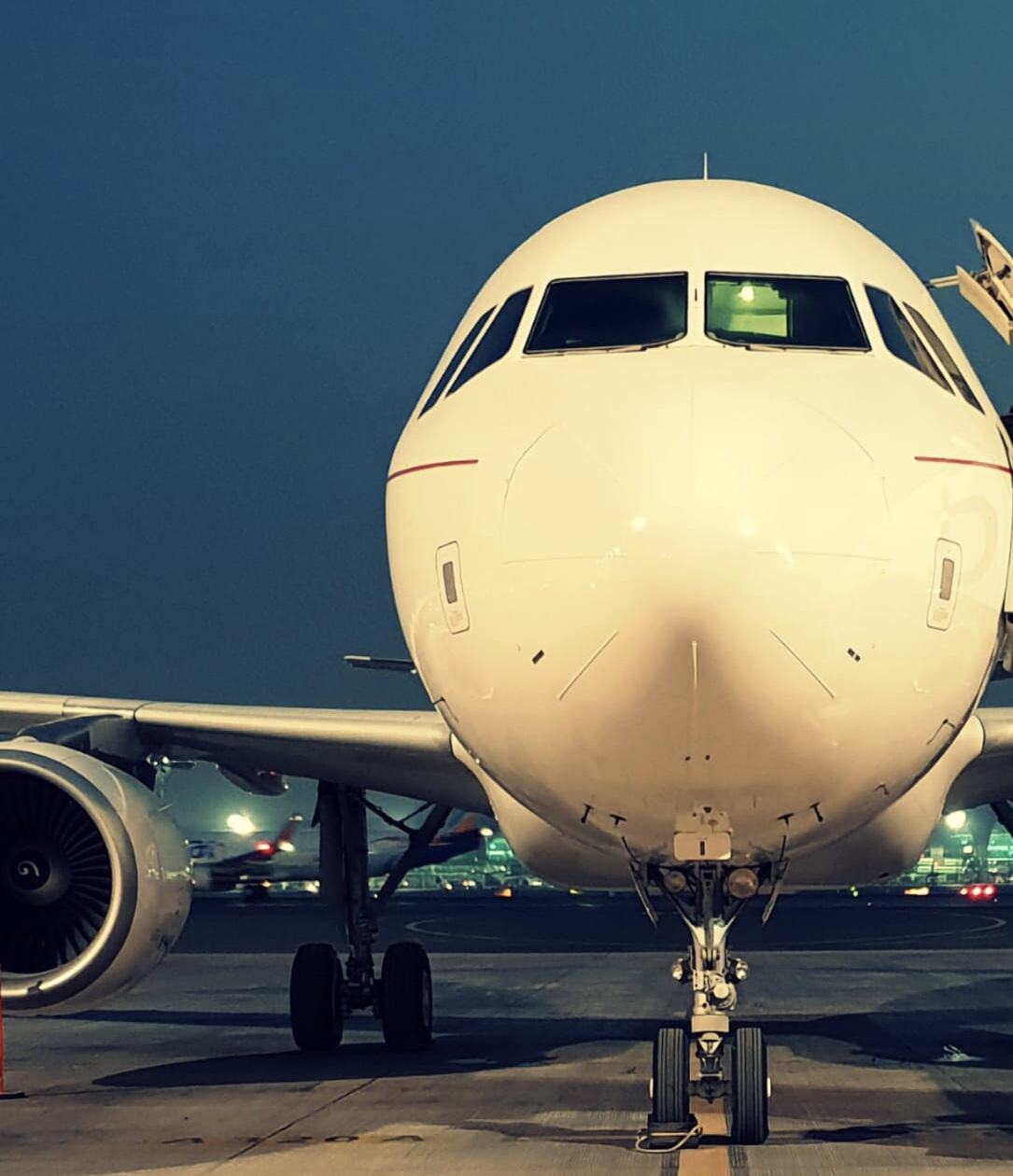
Airline pilot
Airline minimums vary: around 250 hours with a frozen ATPL (airline-entry level) for EASA airlines, 1,500 hours for a US ATP. Join a carrier in the Gulf, Europe or the US.
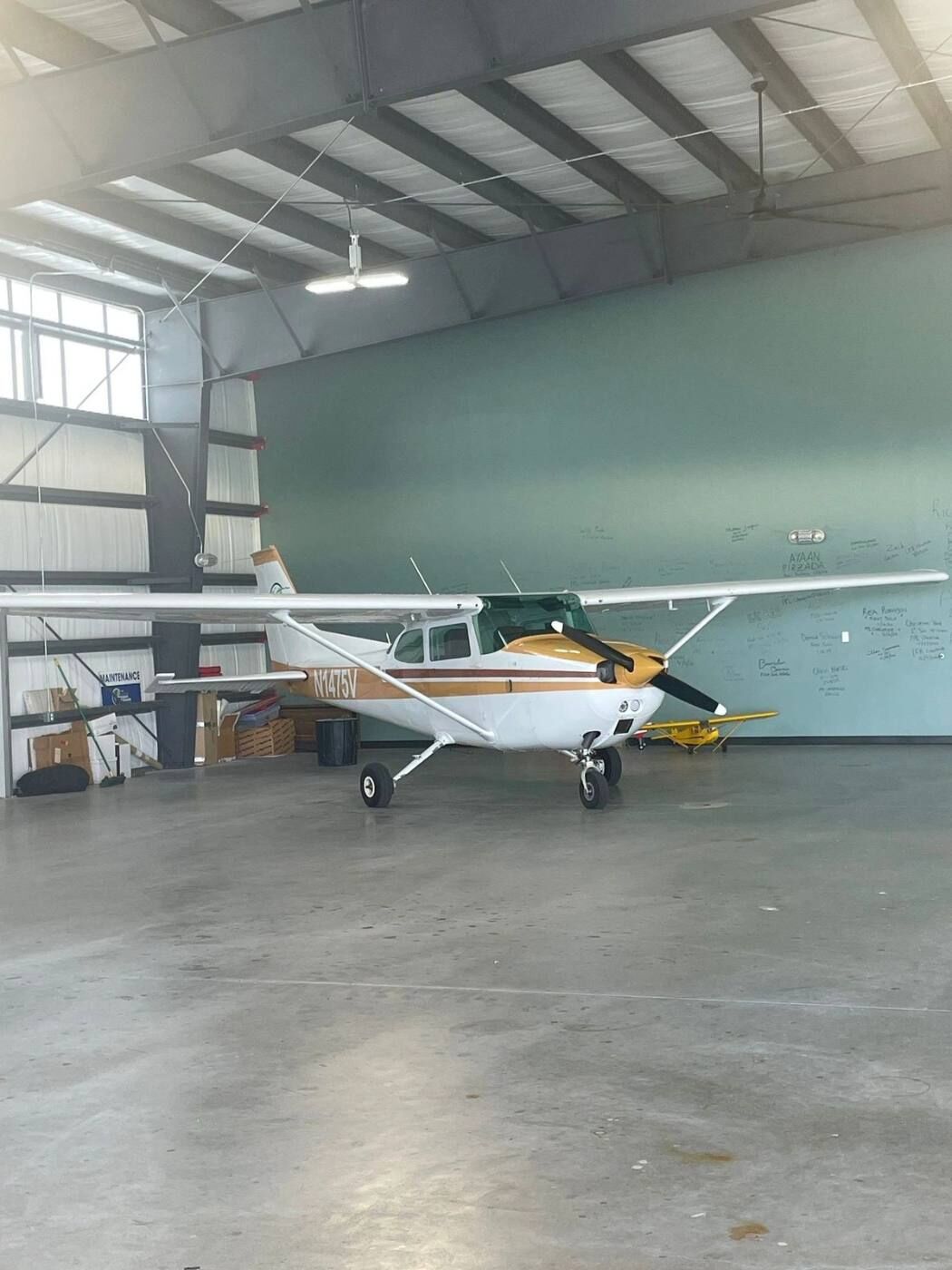
Flight instructor
Get paid to build hours by teaching the next cohort.
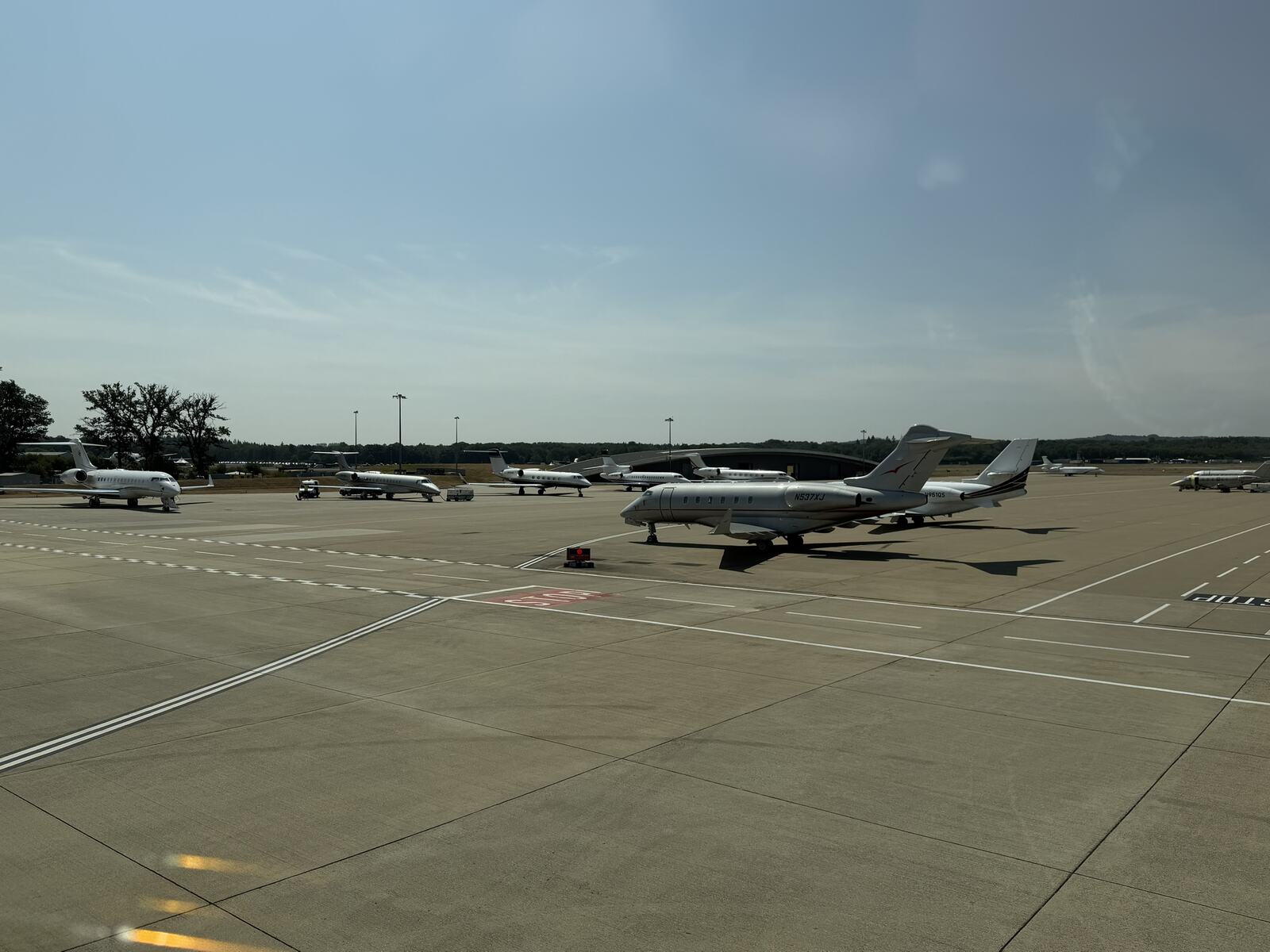
Business aviation
Corporate and charter flying on modern business jets.
Career explorer
What does a pilot career look like?
An illustrative pathway. Timing, pay and outcomes vary by person, country, operator and the job market. Nobody can promise you an airline job.
Career change
Think it's too late?
It isn't necessarily. There's no upper age limit on an FAA or EASA licence, and many pilots start in their late twenties or thirties. What matters is being clear about what it takes.
- Training commitmentFull time for 12–24 months, or modular around a job for longer.
- MedicalGet a Class 1 medical first. It's the cheapest way to find a showstopper.
- Financial planningPlan the full course cost from the start, using the written breakdown we provide.
- LicensingPick the licence that matches where you want to work.
- Career realityAirlines weigh hours, attitude and ratings alongside age. Instructing, charter and corporate flying are real careers too.
Case study
University or the flight deck?
Two school leavers from Dubai, both 18. Maya does a 3-year degree in the UK. Omar has done his EASA theory at school and trains in Florida. Here is every cost and every dollar earned over the next ten years.
OmarFlight training in Florida, then an airline first officer job
Assumptions
- University: international tuition outside London of £25,000 a year (range £11,400–£38,000); student visa £524 and health surcharge £776 a year.
- Rent £575 a month, the UK student average. General living costs £525 a month, making £1,100 a month in total, the middle of the British Council range.
- Graduate pay: UK median of about £27,000 one year after graduating, rising to £37,500 by year seven.
- Florida: $88,000 CPL, IR and multi-engine programme including accommodation, finishing with up to 240 hours and a frozen ATPL; visa, TSA, medical and insurance about $1,045; general living $1,000 a month for two years; $17,550 EASA conversion in year two.
- No hour building. With an EASA licence and a frozen ATPL, Omar joins a European airline as a junior first officer in year three. Junior first officer pay at European airlines is typically $62,000–$76,000 a year gross; we use the middle, $69,000, held flat with no command upgrade. EASA ground school fees and any airline type rating cost are not included.
- After graduating or qualifying, both pay their own living costs, which are left out of both routes. £1 = $1.30. Gross pay, before tax.
Read this before you decide
This is an illustration, not a promise. A flying job depends on the airline market, medical fitness, training performance and airline selection. Graduate pay varies widely by subject and university, and some graduates earn far more than the median. Talk it through with an advisor using your own numbers.
Sources: British Council, Study UK: cost of studying · Save the Student, National Student Accommodation Survey 2026 · DfE, Graduate labour market outcomes (LEO) 2023–24 · BecomeAPilot.co programme pricing 2026.